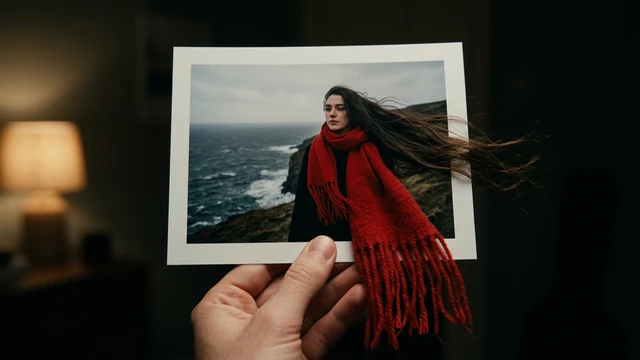
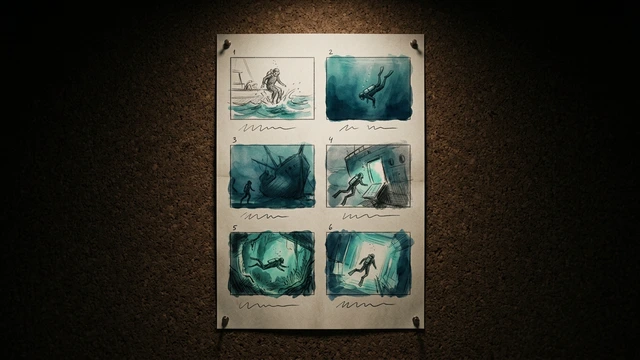
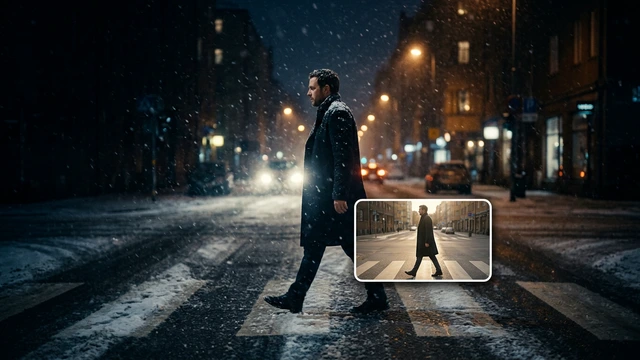
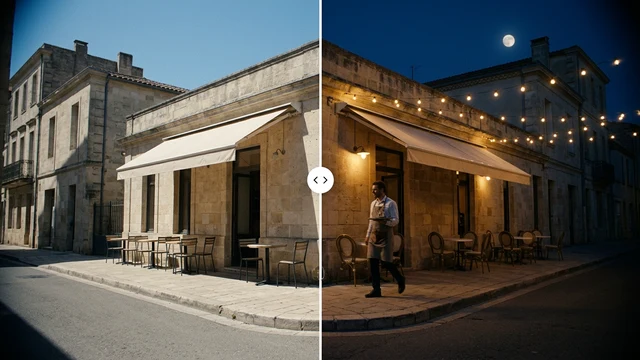
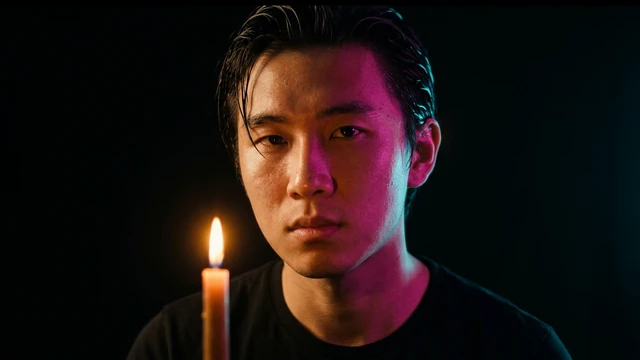
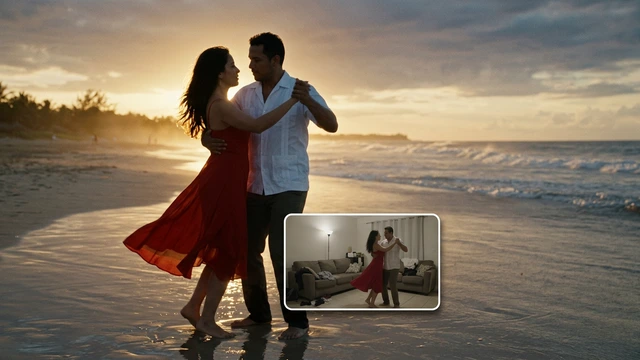
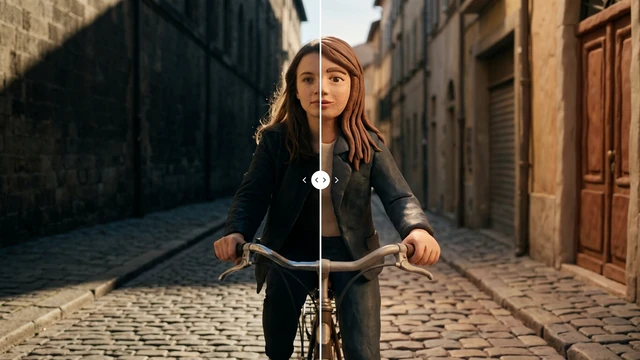
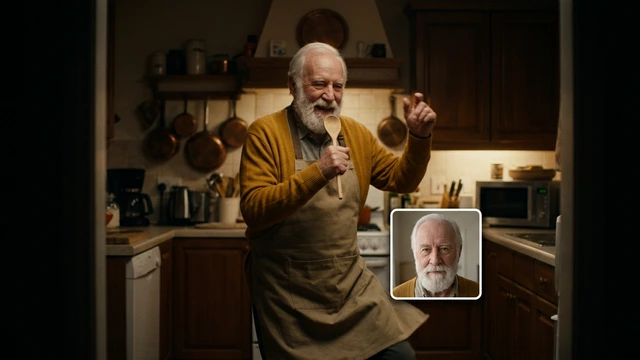
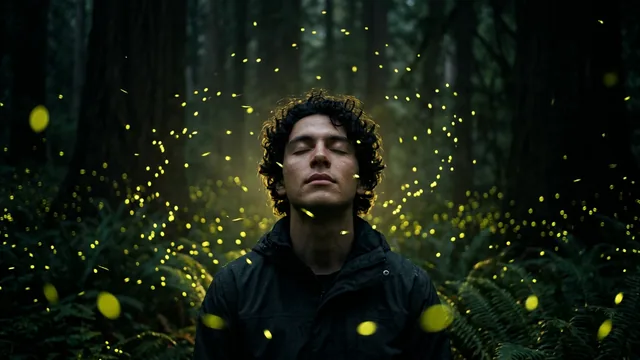
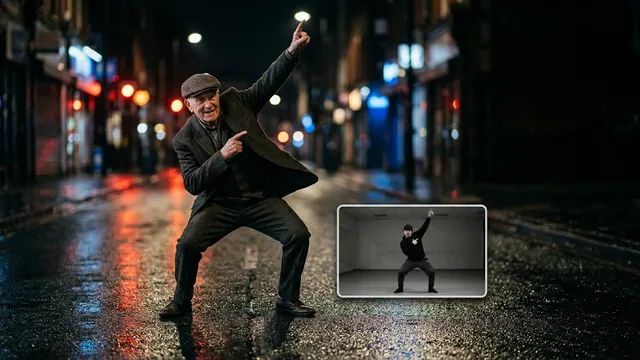
Animare una foto con l’IA significa usare un’immagine come riferimento e descrivere il movimento da aggiungere. Scegli una foto con il soggetto ben visibile, chiedi una piccola azione e decidi se la camera resta fissa. Questa guida parte da Veo 3.1 Fast; altre guide spiegano i controlli di Seedance e Kling.
Aprire lo Studio è gratuito. Generare richiede account e crediti; controlla il costo prima di confermare.
Dati del selettore Cocuyo
Produttore
Google
Versioni
Veo 3.1 Fast · Veo 3.1 Quality
Risoluzione
720p · 1080p
Formati
16:9 · 9:16
Durata
4 / 6 / 8 s
Riferimenti
Immagini: 3 · Fotogrammi: 2
Controllato il 2026-10-26
Passo dopo passo
1. Dati del selettore Cocuyo
Definisci il risultato prima di aprire lo Studio.
2. La formula del prompt
Assegna alla prima prova un obiettivo semplice e verificabile.
3. Impostazioni consigliate
Nello Studio scegli prima modalità e versione del modello.
4. Controllo
Controlla l’intero risultato prima di utilizzarlo.
La formula del prompt
Soggetto + Azione + Ambiente + Camera + Luce + Stile + Suono
Soggetto
Un soggetto concreto e un’azione principale riducono l’ambiguità della richiesta.
Azione
Un soggetto concreto e un’azione principale riducono l’ambiguità della richiesta.
Ambiente
Ambiente e luce definiscono la scena senza combinare idee incompatibili.
Camera
Una sola indicazione di camera o inquadratura facilita la verifica della composizione.
Luce
Ambiente e luce definiscono la scena senza combinare idee incompatibili.
Stile
Separare soggetto e sfondo aiuta a controllare ogni parte del risultato.
Suono
Distinguere ciò che resta da ciò che cambia rende più utile il confronto tra prove.
Da immagine a video
1. Prodotto
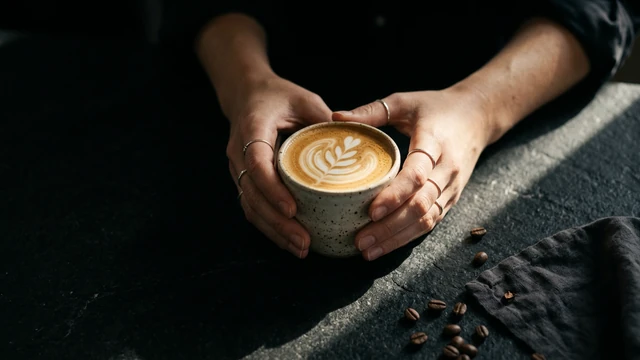
Use the uploaded cup photo as the visual reference. Keep the cup, handle, table and framing unchanged. Add a thin stream of steam rising from the cup. Fixed camera, steady lighting, one continuous shot.
Impostazioni consigliate: 720p · 16:9 · 8 s
Perché aiuta: Un soggetto concreto e un’azione principale riducono l’ambiguità della richiesta.
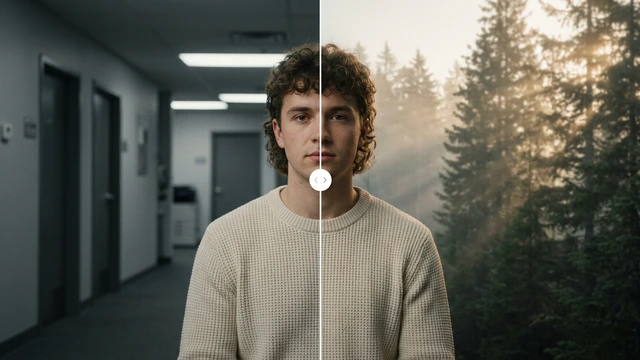
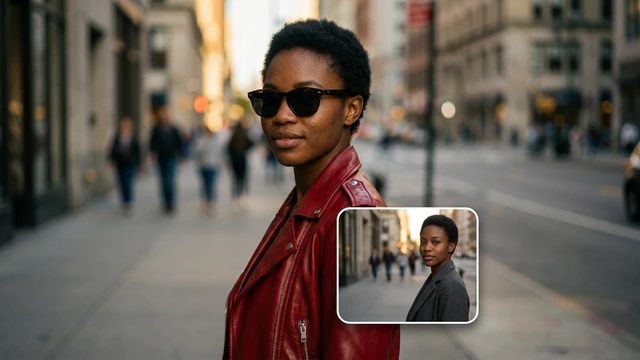
Use the uploaded portrait as the visual reference. Preserve the face, hairstyle, clothing and background. The adult subject blinks once and gives a small smile. Fixed camera, no cut, steady lighting.
Impostazioni consigliate: 720p · 16:9 · 8 s
Perché aiuta: Un soggetto concreto e un’azione principale riducono l’ambiguità della richiesta.
A compact reading room contains a low bookcase, a fabric armchair and a small round table. Afternoon light falls across the floor from one tall window. Keep furniture proportions believable and the walking space clear. Use a wide composition with natural materials and a quiet, lived-in atmosphere. Preserve the identity and framing of the supplied reference image. A curtain moves gently while the camera slowly reveals the room.
Impostazioni consigliate: 720p · 16:9 · 8 s
Perché aiuta: Separare soggetto e sfondo aiuta a controllare ogni parte del risultato.
A narrow footpath crosses a meadow toward a distant hill at sunrise. Fine mist stays close to the grass while the hill remains visible. Use a wide composition with the path leading through the frame. Keep the horizon level, the light soft and the colours consistent with early morning. Preserve the identity and framing of the supplied reference image. Mist drifts across the grass; keep the camera fixed.
Impostazioni consigliate: 720p · 16:9 · 8 s
Perché aiuta: Ambiente e luce definiscono la scena senza combinare idee incompatibili.
A close view shows water droplets resting on a dark green leaf. Keep one central droplet in focus and the surrounding veins easy to recognise. Light enters from the side and produces a small highlight without bleaching the leaf. Separate the background with shallow depth and a simple composition. Preserve the identity and framing of the supplied reference image. One droplet slowly runs down the leaf while the macro camera stays fixed.
Impostazioni consigliate: 720p · 16:9 · 8 s
Perché aiuta: Separare soggetto e sfondo aiuta a controllare ogni parte del risultato.
A fictional adult explorer wears a mustard raincoat, dark boots and a small canvas backpack. The explorer pauses beside a stone bridge and looks toward a forest path. Preserve the coat, backpack and hairstyle as identifying details. Use soft morning light and avoid introducing additional characters into the composition. Preserve the identity and framing of the supplied reference image. The explorer turns toward the path and takes one careful step.
Impostazioni consigliate: 720p · 16:9 · 8 s
Perché aiuta: Distinguere ciò che resta da ciò che cambia rende più utile il confronto tra prove.
A cyclist wearing a plain blue jacket moves steadily along an empty riverside path. Keep the bicycle proportions coherent and the rider fully inside the composition. Show the river as a quiet background with a few trees. Use gentle daylight and describe one continuous movement without a sudden change of location. Preserve the identity and framing of the supplied reference image. Track the cyclist steadily from the side without sudden cuts.
Impostazioni consigliate: 720p · 16:9 · 8 s
Perché aiuta: Una sola indicazione di camera o inquadratura facilita la verifica della composizione.
A folded linen cloth lies beside a smooth stone and a small unfinished wooden bowl. Make the weave, grain and stone surface distinguishable without exaggerating their texture. Use soft light from a large window and a simple overhead composition. Keep the background neutral and leave clear space around each object. Preserve the identity and framing of the supplied reference image. A soft breeze moves one edge of the linen; keep the bowl and stone still.
Impostazioni consigliate: 720p · 16:9 · 8 s
Perché aiuta: Separare soggetto e sfondo aiuta a controllare ogni parte del risultato.
Prima di consegnare un file, verifica nomi, testi visibili, pronuncia quando pertinente e dettagli che potrebbero trarre in inganno. Confronta le affermazioni importanti con le tue fonti e verifica i diritti sul materiale di partenza.
Un soggetto concreto e un’azione principale riducono l’ambiguità della richiesta.
Ambiente e luce definiscono la scena senza combinare idee incompatibili.
Separare soggetto e sfondo aiuta a controllare ogni parte del risultato.
Una sola indicazione di camera o inquadratura facilita la verifica della composizione.
Un testo breve tra virgolette permette di controllare le parole ottenute.
Distinguere ciò che resta da ciò che cambia rende più utile il confronto tra prove.
Quando scegliere un altro modello
Distinguere ciò che resta da ciò che cambia rende più utile il confronto tra prove.
Aprire lo Studio e preparare il testo è gratuito. Per generare servono un account e crediti; il piano Free non include crediti. Il costo è visibile prima della conferma.
Quale modello apre il pulsante?
Veo 3.1 Fast. Seedance 2.5 e Kling 3.0 hanno guide dedicate, con ingressi e controlli diversi.
Quale foto conviene scegliere per iniziare?
Un’immagine con il soggetto riconoscibile e spazio sufficiente per il movimento richiesto. Evita cambiamenti che portino il soggetto fuori dall’inquadratura.
Quale movimento provo per primo?
Un battito di ciglia, una brezza leggera o un lento avvicinamento della camera. Scegline uno e verifica il risultato prima di combinare azioni.