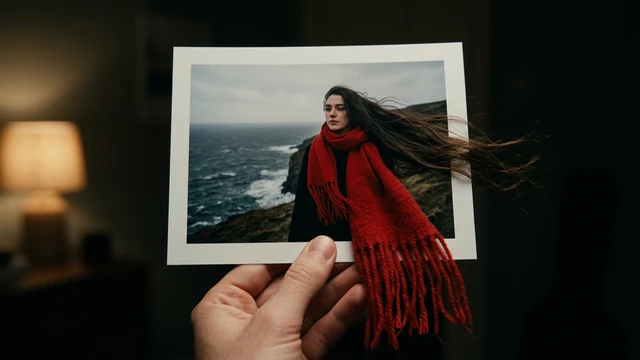
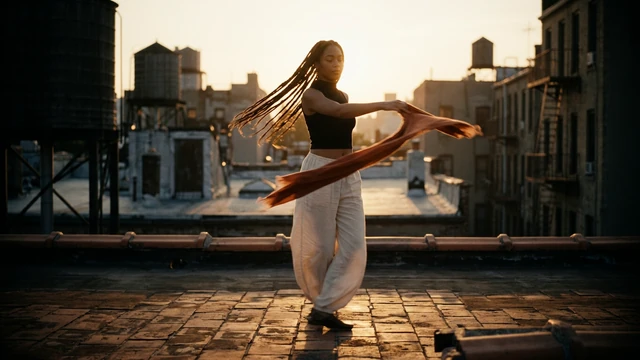
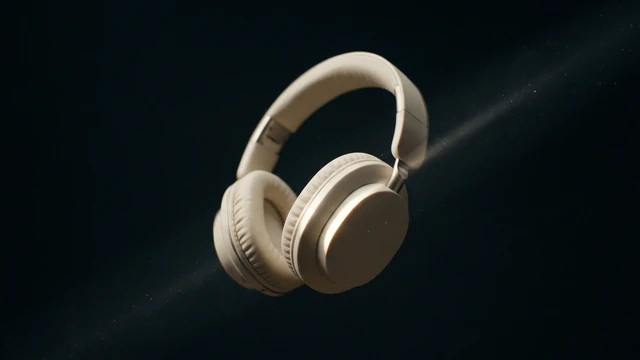
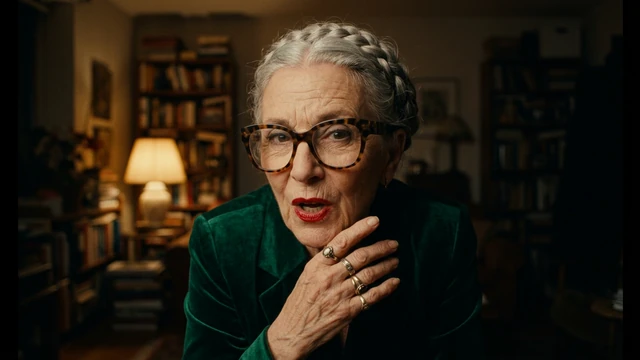
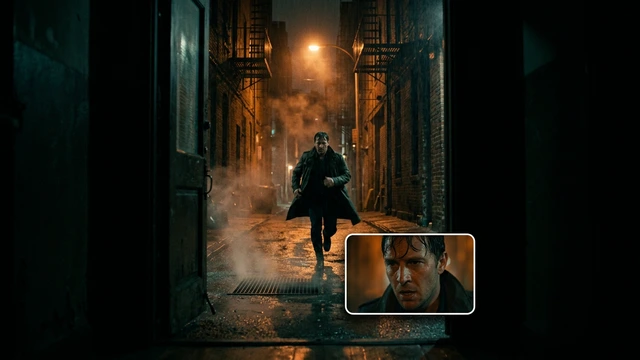
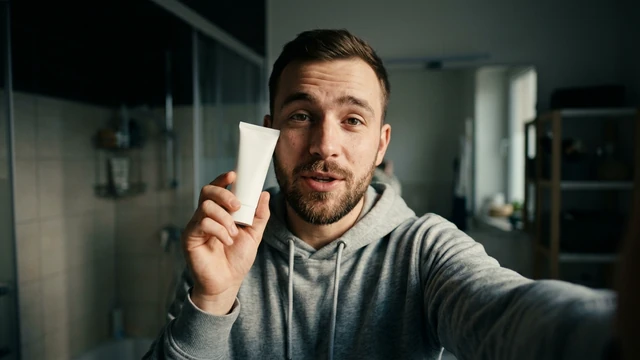
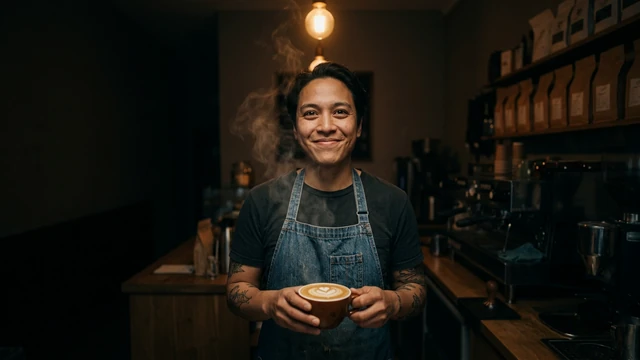
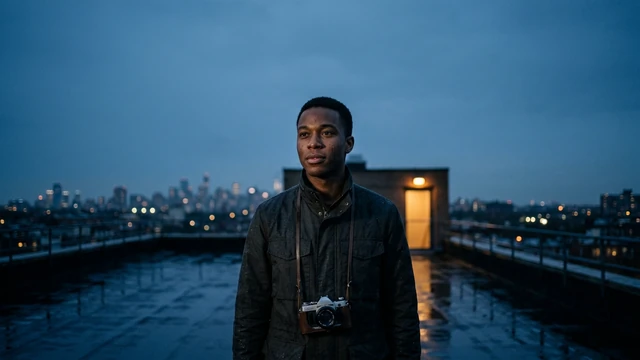
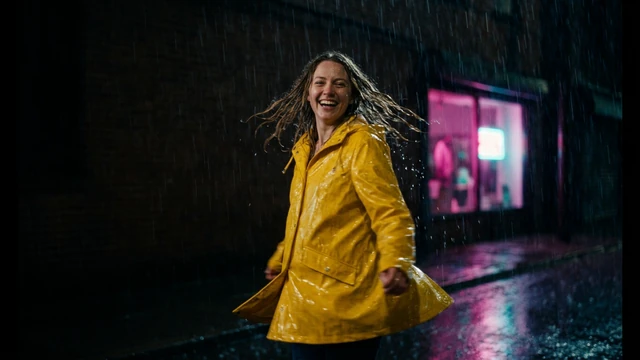
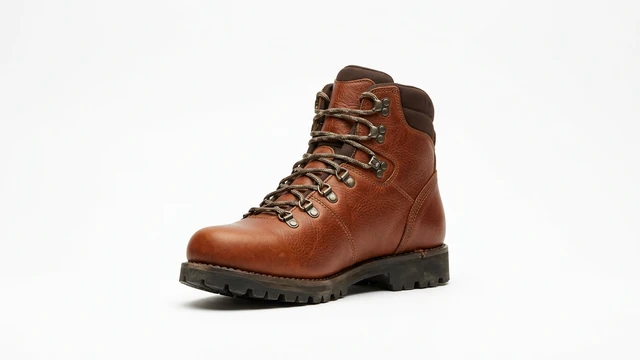
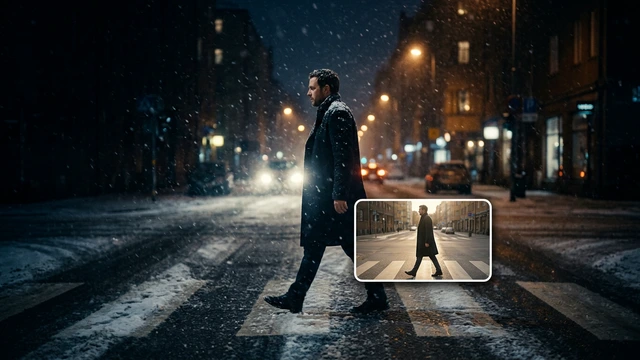
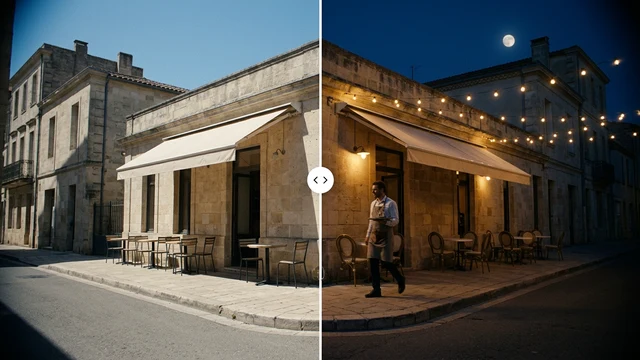
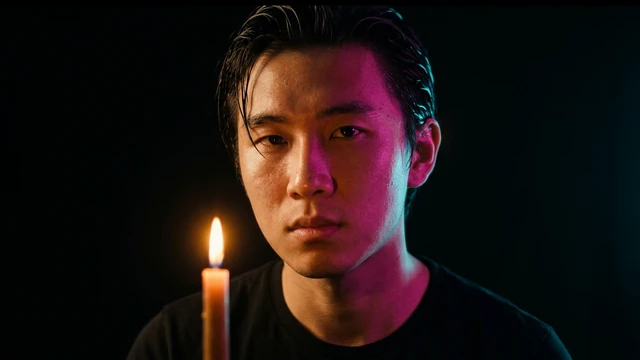
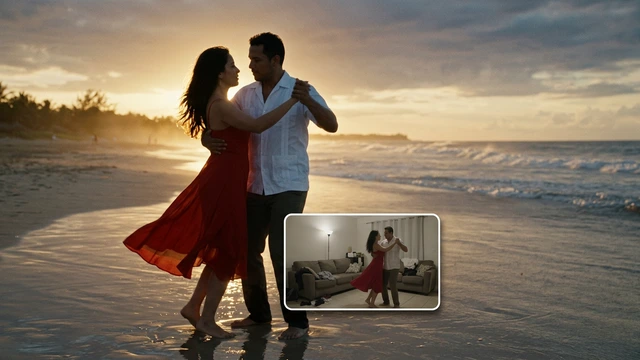
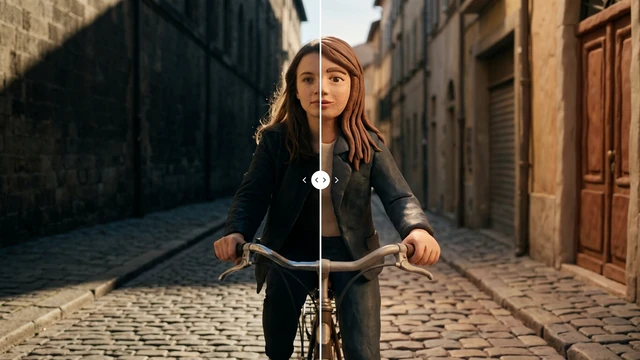
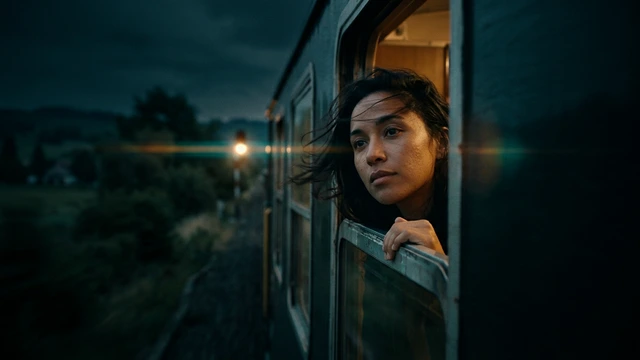
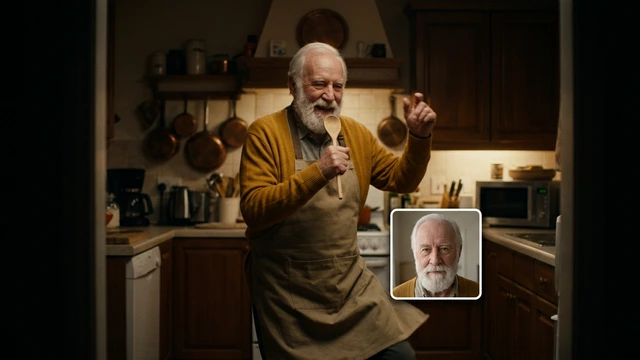
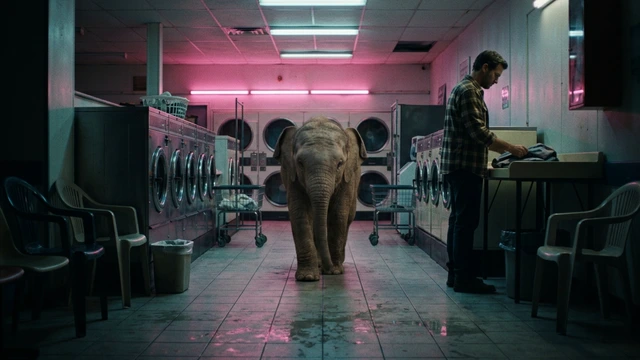
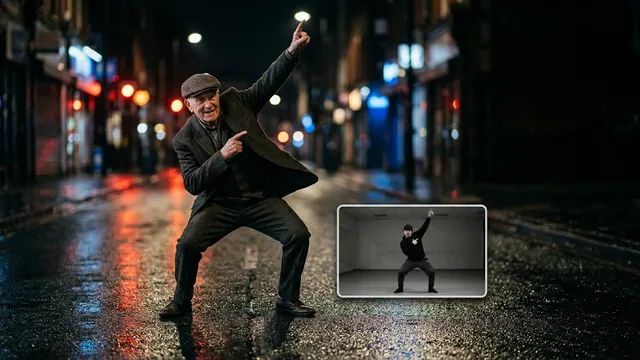
Animowanie zdjęcia z AI polega na użyciu obrazu jako materiału referencyjnego i opisaniu ruchu, który ma zostać dodany. Wybierz zdjęcie z widoczną postacią, poproś o małą czynność i zdecyduj, czy kamera ma stać w miejscu. Ten poradnik zaczyna od Veo 3.1 Fast; osobne poradniki opisują ustawienia Seedance i Kling.
Otwarcie Studia jest bezpłatne. Tworzenie wymaga konta i kredytów; sprawdź koszt przed potwierdzeniem.
Dane selektora Cocuyo
Twórca
Google
Wersje
Veo 3.1 Fast · Veo 3.1 Quality
Rozdzielczość
720p · 1080p
Formaty
16:9 · 9:16
Czas trwania
4 / 6 / 8 s
Referencje
Obrazy: 3 · Klatki: 2
Sprawdzono 2026-10-26
Krok po kroku
1. Dane selektora Cocuyo
Zanim otworzysz Studio, określ potrzebny rezultat.
2. Formuła promptu
Wyznacz pierwszej próbie prosty cel, który można ocenić.
3. Sugerowane ustawienia
W Studio najpierw wybierz tryb i wersję modelu.
4. Sprawdzenie
Przed wykorzystaniem przejrzyj cały rezultat.
Formuła promptu
Temat + Działanie + Otoczenie + Kamera + Światło + Styl + Dźwięk
Temat
Konkretny temat i jedno główne działanie ograniczają niejednoznaczność polecenia.
Działanie
Konkretny temat i jedno główne działanie ograniczają niejednoznaczność polecenia.
Otoczenie
Otoczenie i światło określają scenę bez łączenia sprzecznych pomysłów.
Kamera
Jedna wskazówka dotycząca kamery lub kadru ułatwia ocenę kompozycji.
Światło
Otoczenie i światło określają scenę bez łączenia sprzecznych pomysłów.
Styl
Oddzielenie tematu od tła ułatwia sprawdzenie poszczególnych części wyniku.
Dźwięk
Rozróżnienie stałych i zmienianych elementów pomaga porównywać kolejne próby.
Obraz w wideo
1. Produkt
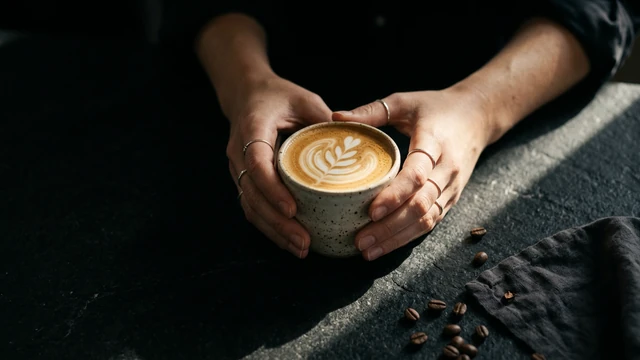
Use the uploaded cup photo as the visual reference. Keep the cup, handle, table and framing unchanged. Add a thin stream of steam rising from the cup. Fixed camera, steady lighting, one continuous shot.
Sugerowane ustawienia: 720p · 16:9 · 8 s
Dlaczego pomaga: Konkretny temat i jedno główne działanie ograniczają niejednoznaczność polecenia.
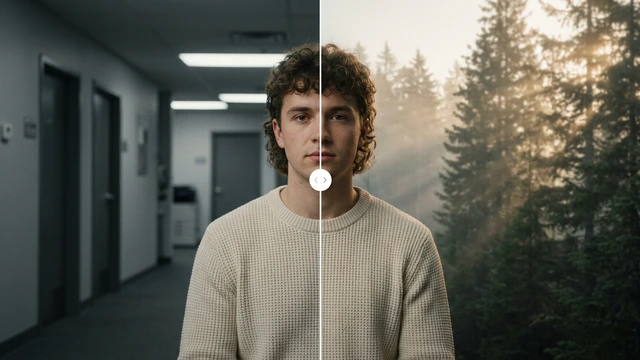
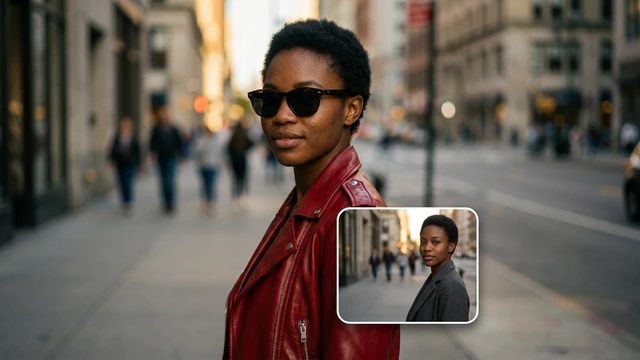
Use the uploaded portrait as the visual reference. Preserve the face, hairstyle, clothing and background. The adult subject blinks once and gives a small smile. Fixed camera, no cut, steady lighting.
Sugerowane ustawienia: 720p · 16:9 · 8 s
Dlaczego pomaga: Konkretny temat i jedno główne działanie ograniczają niejednoznaczność polecenia.
A compact reading room contains a low bookcase, a fabric armchair and a small round table. Afternoon light falls across the floor from one tall window. Keep furniture proportions believable and the walking space clear. Use a wide composition with natural materials and a quiet, lived-in atmosphere. Preserve the identity and framing of the supplied reference image. A curtain moves gently while the camera slowly reveals the room.
Sugerowane ustawienia: 720p · 16:9 · 8 s
Dlaczego pomaga: Oddzielenie tematu od tła ułatwia sprawdzenie poszczególnych części wyniku.
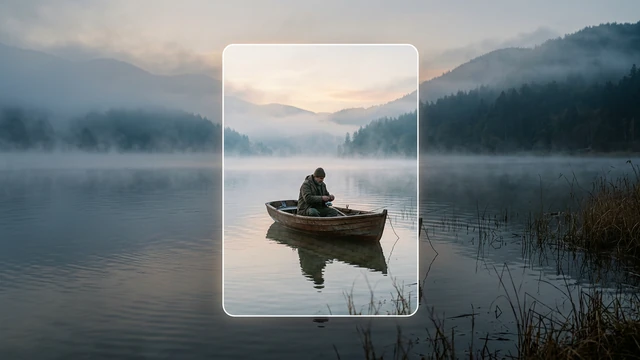
A narrow footpath crosses a meadow toward a distant hill at sunrise. Fine mist stays close to the grass while the hill remains visible. Use a wide composition with the path leading through the frame. Keep the horizon level, the light soft and the colours consistent with early morning. Preserve the identity and framing of the supplied reference image. Mist drifts across the grass; keep the camera fixed.
Sugerowane ustawienia: 720p · 16:9 · 8 s
Dlaczego pomaga: Otoczenie i światło określają scenę bez łączenia sprzecznych pomysłów.
A close view shows water droplets resting on a dark green leaf. Keep one central droplet in focus and the surrounding veins easy to recognise. Light enters from the side and produces a small highlight without bleaching the leaf. Separate the background with shallow depth and a simple composition. Preserve the identity and framing of the supplied reference image. One droplet slowly runs down the leaf while the macro camera stays fixed.
Sugerowane ustawienia: 720p · 16:9 · 8 s
Dlaczego pomaga: Oddzielenie tematu od tła ułatwia sprawdzenie poszczególnych części wyniku.
A fictional adult explorer wears a mustard raincoat, dark boots and a small canvas backpack. The explorer pauses beside a stone bridge and looks toward a forest path. Preserve the coat, backpack and hairstyle as identifying details. Use soft morning light and avoid introducing additional characters into the composition. Preserve the identity and framing of the supplied reference image. The explorer turns toward the path and takes one careful step.
Sugerowane ustawienia: 720p · 16:9 · 8 s
Dlaczego pomaga: Rozróżnienie stałych i zmienianych elementów pomaga porównywać kolejne próby.
A cyclist wearing a plain blue jacket moves steadily along an empty riverside path. Keep the bicycle proportions coherent and the rider fully inside the composition. Show the river as a quiet background with a few trees. Use gentle daylight and describe one continuous movement without a sudden change of location. Preserve the identity and framing of the supplied reference image. Track the cyclist steadily from the side without sudden cuts.
Sugerowane ustawienia: 720p · 16:9 · 8 s
Dlaczego pomaga: Jedna wskazówka dotycząca kamery lub kadru ułatwia ocenę kompozycji.
A folded linen cloth lies beside a smooth stone and a small unfinished wooden bowl. Make the weave, grain and stone surface distinguishable without exaggerating their texture. Use soft light from a large window and a simple overhead composition. Keep the background neutral and leave clear space around each object. Preserve the identity and framing of the supplied reference image. A soft breeze moves one edge of the linen; keep the bowl and stone still.
Sugerowane ustawienia: 720p · 16:9 · 8 s
Dlaczego pomaga: Oddzielenie tematu od tła ułatwia sprawdzenie poszczególnych części wyniku.
Przed przekazaniem pliku sprawdź również nazwy, widoczne napisy, wymowę tam, gdzie ma to znaczenie, oraz szczegóły mogące wprowadzać odbiorców w błąd. Zweryfikuj ważne stwierdzenia we własnych źródłach i potwierdź prawa do materiałów wejściowych.
Konkretny temat i jedno główne działanie ograniczają niejednoznaczność polecenia.
Otoczenie i światło określają scenę bez łączenia sprzecznych pomysłów.
Oddzielenie tematu od tła ułatwia sprawdzenie poszczególnych części wyniku.
Jedna wskazówka dotycząca kamery lub kadru ułatwia ocenę kompozycji.
Krótki tekst w cudzysłowie pozwala porównać otrzymane słowa z poleceniem.
Rozróżnienie stałych i zmienianych elementów pomaga porównywać kolejne próby.
Kiedy wybrać inny model
Rozróżnienie stałych i zmienianych elementów pomaga porównywać kolejne próby.
Otwarcie Studia i przygotowanie tekstu jest bezpłatne. Generowanie wymaga konta i kredytów; plan Free nie zawiera kredytów. Koszt zobaczysz przed potwierdzeniem.
Który model otwiera przycisk?
Veo 3.1 Fast. Seedance 2.5 i Kling 3.0 mają osobne poradniki z innymi wejściami i ustawieniami.
Jakie zdjęcie wybrać na początek?
Obraz z rozpoznawalną postacią lub przedmiotem i miejscem na żądany ruch. Unikaj zmian, które wypchną główny obiekt poza kadr.
Jaki ruch wypróbować najpierw?
Mrugnięcie, lekki wiatr lub powolne zbliżenie. Wybierz jeden i sprawdź wynik przed połączeniem czynności.