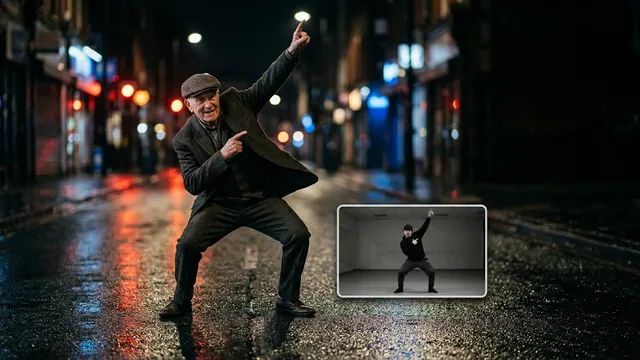
Cómo mantener reconocible a un personaje entre tomas
Para mantener un personaje reconocible entre tomas, define unos rasgos visibles y conserva vestuario, peinado y referencias. Esta guía empieza con Seedance 2.5. Cambia una acción o un encuadre cada vez y compara los resultados. Las referencias ayudan a orientar la generación, pero no garantizan una identidad idéntica.
Empieza por definir el resultado que necesitas antes de abrir el Estudio. Anota el sujeto, el propósito y el contexto de uso: una pieza para una presentación requiere decisiones distintas a un borrador para explorar una idea. Conserva solo la información que ayuda a explicar esa intención. El nombre del modelo identifica la herramienta, pero no sustituye una descripción concreta del contenido. Consulta la ficha técnica de esta página y comprueba después las opciones de la versión seleccionada; los ajustes de una familia no se trasladan automáticamente a otra.
2. La fórmula del prompt
Prepara una primera prueba con un objetivo sencillo y observable. Describe una acción o una idea principal, evita instrucciones que se contradigan y distingue el contenido que debe aparecer de las indicaciones de estilo. Si usas material propio como referencia, comprueba que corresponde al tipo de entrada que acepta el selector. No presupongas que un enlace, un nombre de archivo o una referencia escrita equivale a subir ese material. Revisa los archivos y sus permisos antes de incorporarlos a un proyecto compartido.
3. Ajustes recomendados
En el Estudio, elige primero el modo y la versión del modelo. Revisa los campos que aparecen en esa combinación y conserva una copia de las instrucciones que has escrito. Abrir la ficha o el Estudio no inicia una creación. Antes de confirmar, comprueba que el modelo sigue seleccionado, que las entradas están completas y que los parámetros corresponden al resultado que buscas. Las opciones visibles son la referencia práctica para esta integración; una función descrita por el fabricante puede pertenecer a otro producto o modalidad.
4. Revisión
Revisa el resultado completo antes de utilizarlo. Comprueba el contenido, la coherencia y los detalles que importan a tu proyecto, además de la impresión general. Cuando algo falle, cambia una sola instrucción o ajuste y compara con la prueba anterior. Así puedes distinguir una mejora útil de una variación casual. Guarda el texto inicial junto con la versión del modelo y los ajustes empleados. Un ejemplo orienta el trabajo, pero no garantiza que cada ejecución reproduzca exactamente el mismo contenido.
Un sujeto concreto y una acción principal reducen las interpretaciones ambiguas del encargo.
Acción
Un sujeto concreto y una acción principal reducen las interpretaciones ambiguas del encargo.
Escenario
El lugar y la luz sitúan la escena sin convertir el texto en una lista de ideas incompatibles.
Cámara
Una instrucción de cámara o encuadre facilita revisar la composición de la prueba.
Luz
El lugar y la luz sitúan la escena sin convertir el texto en una lista de ideas incompatibles.
Estilo
Separar sujeto y fondo permite comprobar qué parte del resultado responde a cada indicación.
Sonido
Distinguir lo que se mantiene de lo que cambia hace más útil la comparación entre intentos.
Personajes con referencias
1. Personaje que gira hacia una ventana
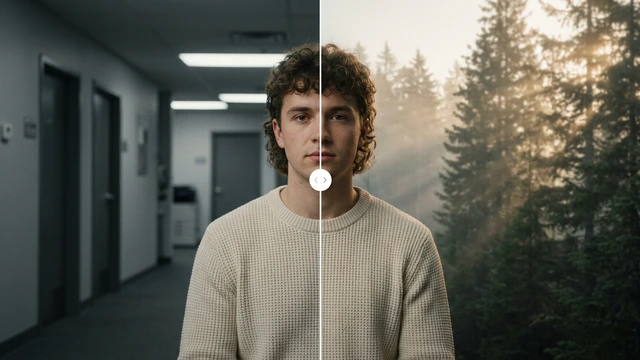
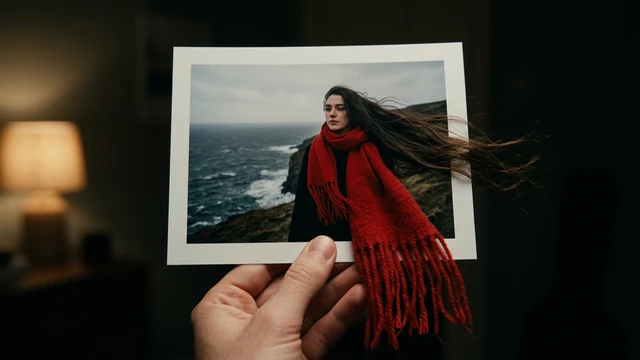
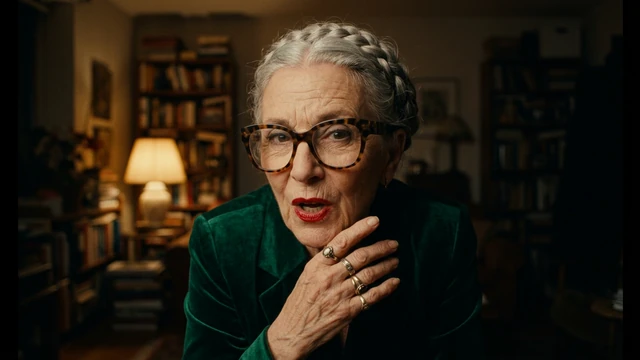
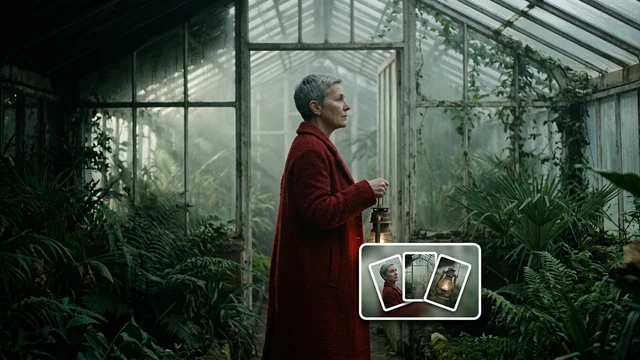
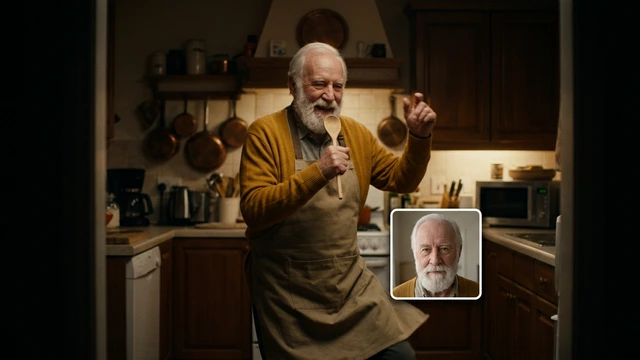
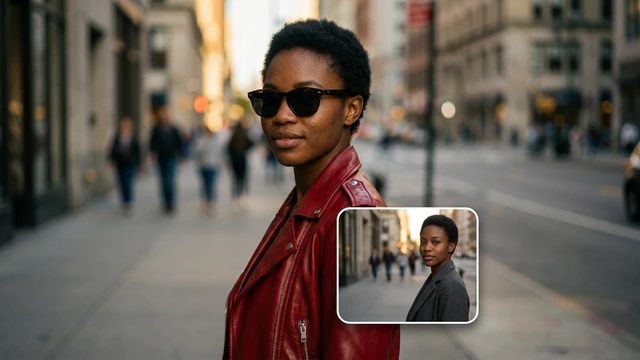
Use the uploaded portrait as the character reference. Preserve the adult character’s short black hair, round glasses and plain rust-coloured jacket. The character turns toward a window and pauses. Fixed medium shot, soft daylight, one continuous action.
Ajustes recomendados: 720p · 16:9 · 8 s
Por qué ayuda: Los rasgos fijos y la acción están separados; el archivo debe adjuntarse.
Use the same uploaded character portrait as the visual reference. Preserve the short black hair, round glasses and rust-coloured jacket. The character places a closed notebook on a desk and withdraws the hand. Fixed medium shot, soft daylight.
Ajustes recomendados: 720p · 16:9 · 8 s
Por qué ayuda: Repite rasgos observables sin prometer que el modelo conserve la identidad exacta.
A compact reading room contains a low bookcase, a fabric armchair and a small round table. Afternoon light falls across the floor from one tall window. Keep furniture proportions believable and the walking space clear. Use a wide composition with natural materials and a quiet, lived-in atmosphere. Preserve the identity and framing of the supplied reference image. A curtain moves gently while the camera slowly reveals the room.
Ajustes recomendados: 720p · 16:9 · 8 s
Por qué ayuda: Separar sujeto y fondo permite comprobar qué parte del resultado responde a cada indicación.
A narrow footpath crosses a meadow toward a distant hill at sunrise. Fine mist stays close to the grass while the hill remains visible. Use a wide composition with the path leading through the frame. Keep the horizon level, the light soft and the colours consistent with early morning. Preserve the identity and framing of the supplied reference image. Mist drifts across the grass; keep the camera fixed.
Ajustes recomendados: 720p · 16:9 · 8 s
Por qué ayuda: El lugar y la luz sitúan la escena sin convertir el texto en una lista de ideas incompatibles.
A close view shows water droplets resting on a dark green leaf. Keep one central droplet in focus and the surrounding veins easy to recognise. Light enters from the side and produces a small highlight without bleaching the leaf. Separate the background with shallow depth and a simple composition. Preserve the identity and framing of the supplied reference image. One droplet slowly runs down the leaf while the macro camera stays fixed.
Ajustes recomendados: 720p · 16:9 · 8 s
Por qué ayuda: Separar sujeto y fondo permite comprobar qué parte del resultado responde a cada indicación.
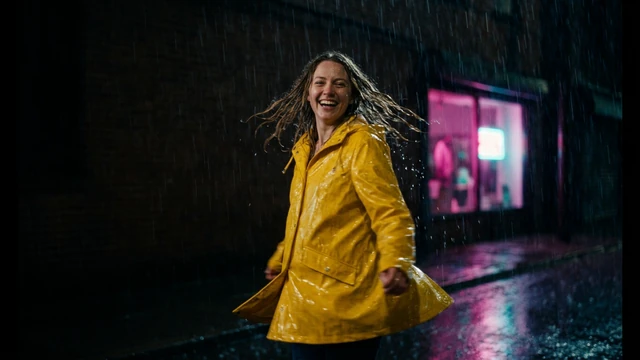
A fictional adult explorer wears a mustard raincoat, dark boots and a small canvas backpack. The explorer pauses beside a stone bridge and looks toward a forest path. Preserve the coat, backpack and hairstyle as identifying details. Use soft morning light and avoid introducing additional characters into the composition. Preserve the identity and framing of the supplied reference image. The explorer turns toward the path and takes one careful step.
Ajustes recomendados: 720p · 16:9 · 8 s
Por qué ayuda: Distinguir lo que se mantiene de lo que cambia hace más útil la comparación entre intentos.
A cyclist wearing a plain blue jacket moves steadily along an empty riverside path. Keep the bicycle proportions coherent and the rider fully inside the composition. Show the river as a quiet background with a few trees. Use gentle daylight and describe one continuous movement without a sudden change of location. Preserve the identity and framing of the supplied reference image. Track the cyclist steadily from the side without sudden cuts.
Ajustes recomendados: 720p · 16:9 · 8 s
Por qué ayuda: Una instrucción de cámara o encuadre facilita revisar la composición de la prueba.
A folded linen cloth lies beside a smooth stone and a small unfinished wooden bowl. Make the weave, grain and stone surface distinguishable without exaggerating their texture. Use soft light from a large window and a simple overhead composition. Keep the background neutral and leave clear space around each object. Preserve the identity and framing of the supplied reference image. A soft breeze moves one edge of the linen; keep the bowl and stone still.
Ajustes recomendados: 720p · 16:9 · 8 s
Por qué ayuda: Separar sujeto y fondo permite comprobar qué parte del resultado responde a cada indicación.
A simple cream greeting card stands on a plain desk next to a small yellow flower. The card contains only the words "Good morning" in large dark lettering. Keep the words on one line with generous margins. Use a straight, readable view and soft daylight without extra signs or captions. Preserve the identity and framing of the supplied reference image. Move the camera slowly toward the card while keeping the lettering unchanged.
Ajustes recomendados: 720p · 16:9 · 8 s
Por qué ayuda: El texto breve entre comillas permite comprobar si las palabras del resultado coinciden con lo pedido.
A quiet pedestrian street has pale plaster walls, a wooden bench and two small trees in planters. An adult carrying a canvas bag walks through the middle distance. Use an eye-level composition with consistent building proportions. Keep the light soft and the scene calm, with no readable shop signs. Preserve the identity and framing of the supplied reference image. Follow the walking person in one continuous shot.
Ajustes recomendados: 720p · 16:9 · 8 s
Por qué ayuda: Una instrucción de cámara o encuadre facilita revisar la composición de la prueba.
A small red wooden toy boat rests on a blue fabric surface near a window. Warm late-afternoon light makes a long soft shadow to the right. Preserve the boat silhouette and the fabric folds. Use a simple close composition, natural colours and enough negative space to see the shadow clearly. Preserve the identity and framing of the supplied reference image. Let a soft reflection move across the toy boat without moving its shape.
Ajustes recomendados: 720p · 16:9 · 8 s
Por qué ayuda: El lugar y la luz sitúan la escena sin convertir el texto en una lista de ideas incompatibles.
An adult prepares a small breakfast at a tidy kitchen counter, placing a slice of bread on a plate beside a glass of water. Keep the hands, plate and glass visible in one composition. Use gentle morning light and ordinary materials. Show a single clear action without adding decorative objects. Preserve the identity and framing of the supplied reference image. Show the bread being placed on the plate in one continuous close shot.
Ajustes recomendados: 720p · 16:9 · 8 s
Por qué ayuda: Un sujeto concreto y una acción principal reducen las interpretaciones ambiguas del encargo.
Para preparar una entrega, revisa también nombres, textos visibles, pronunciación cuando corresponda y cualquier detalle que pueda inducir a error. Contrasta las afirmaciones relevantes con tus propias fuentes y confirma los derechos sobre el material de entrada.
Un sujeto concreto y una acción principal reducen las interpretaciones ambiguas del encargo.
El lugar y la luz sitúan la escena sin convertir el texto en una lista de ideas incompatibles.
Separar sujeto y fondo permite comprobar qué parte del resultado responde a cada indicación.
Una instrucción de cámara o encuadre facilita revisar la composición de la prueba.
El texto breve entre comillas permite comprobar si las palabras del resultado coinciden con lo pedido.
Distinguir lo que se mantiene de lo que cambia hace más útil la comparación entre intentos.
Cuándo elegir otro modelo
Distinguir lo que se mantiene de lo que cambia hace más útil la comparación entre intentos.