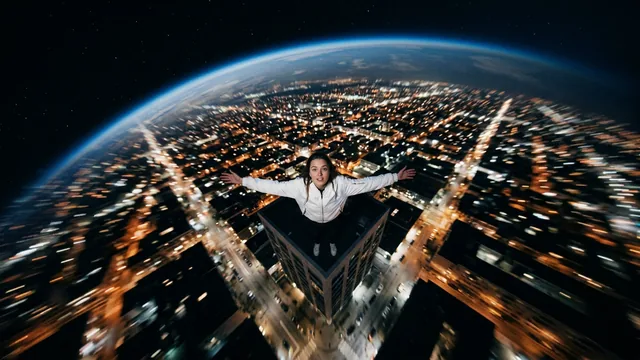
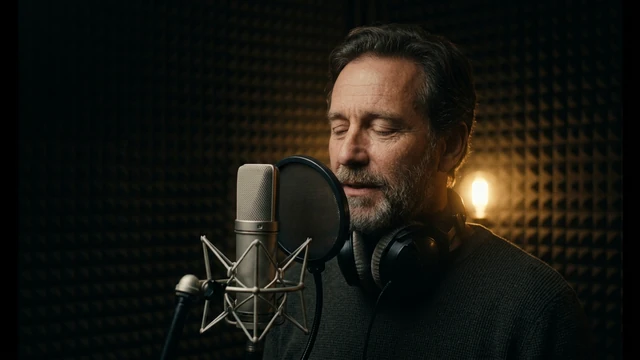
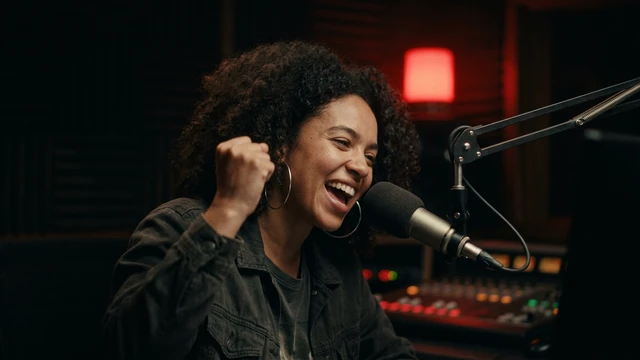
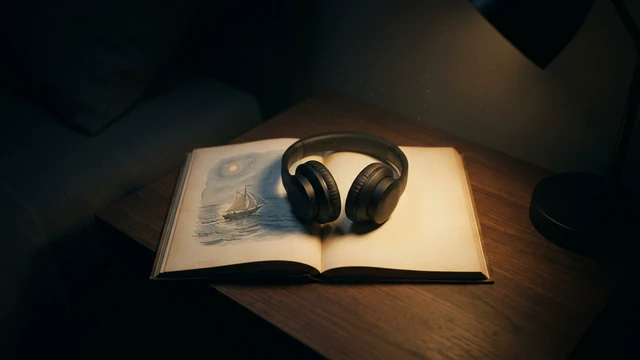
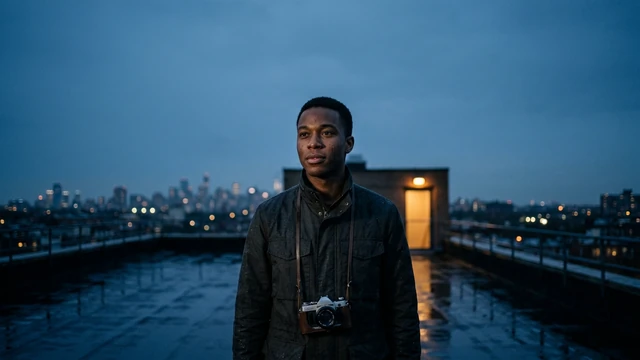
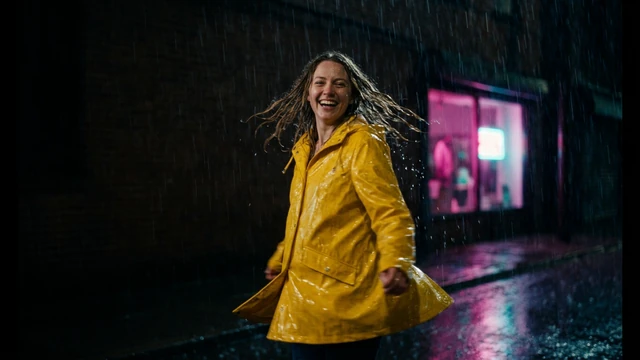
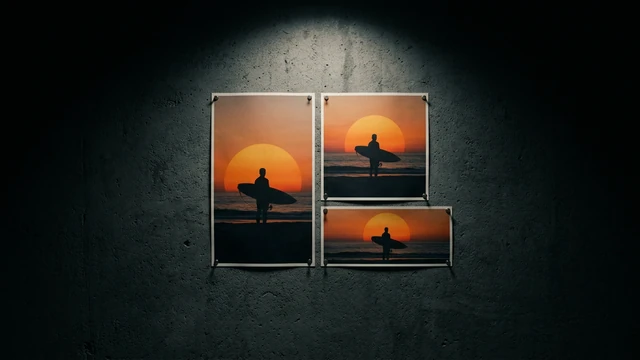
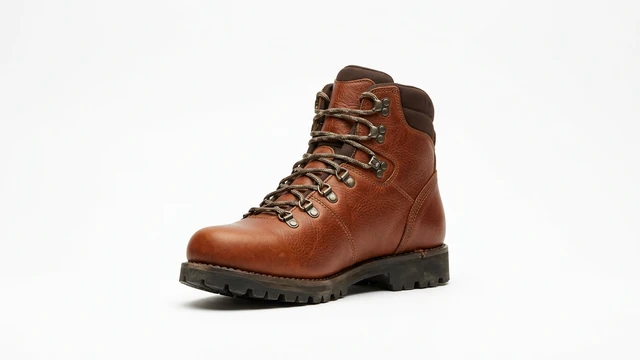
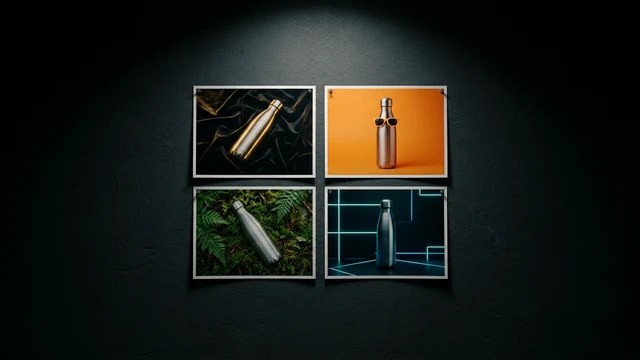
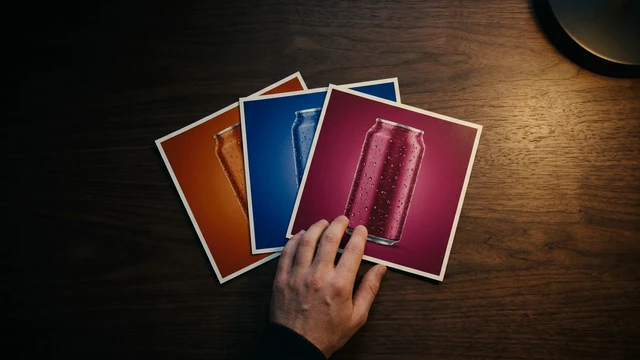
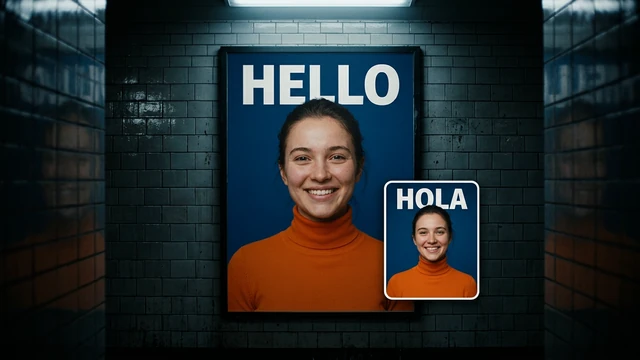
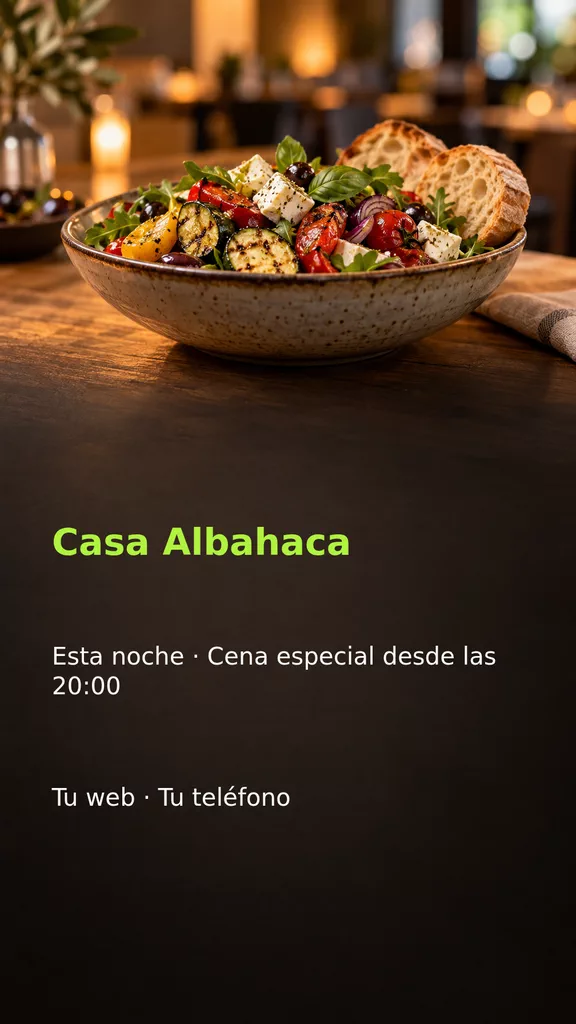
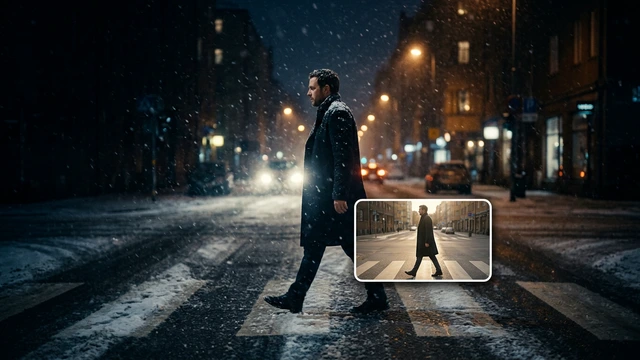
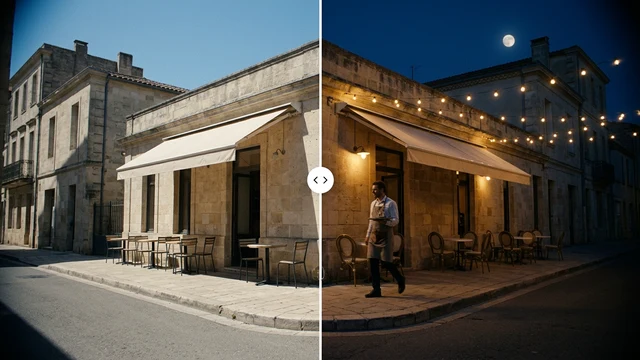
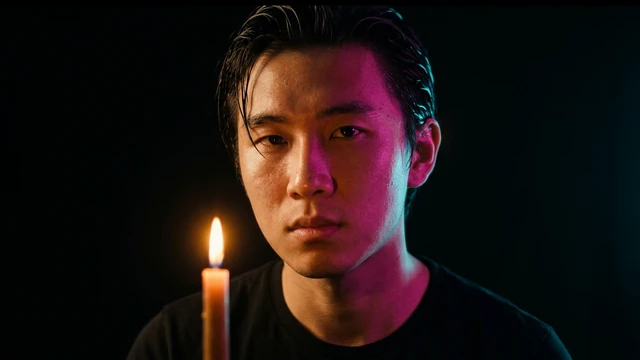
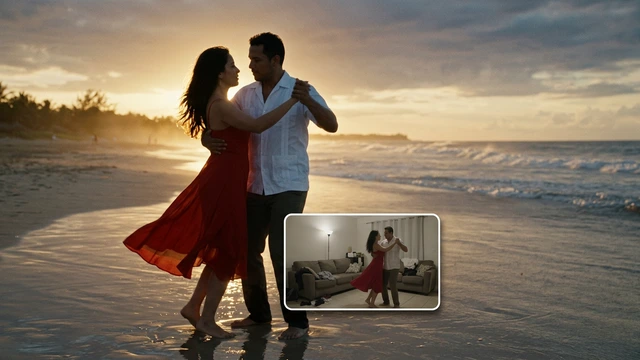
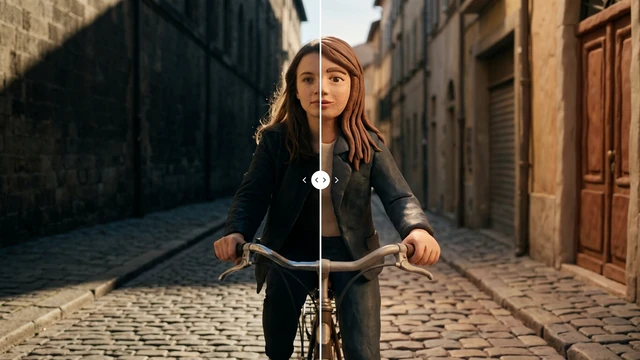
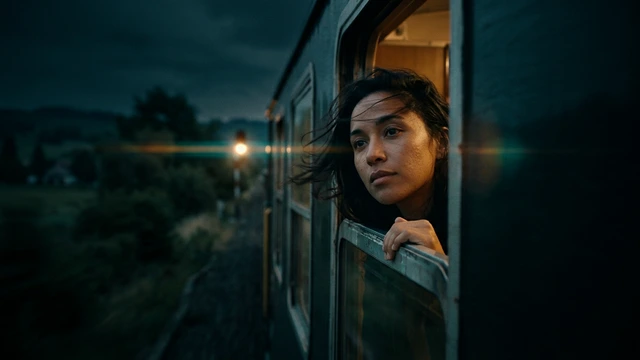
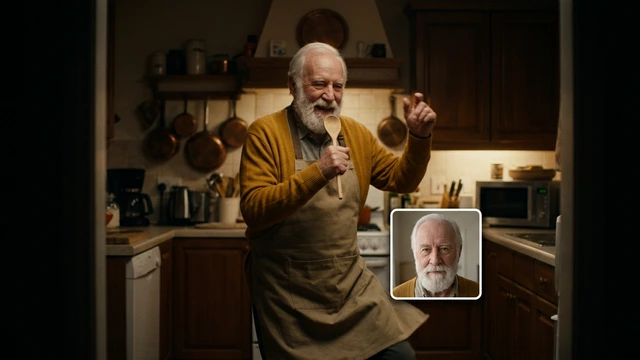
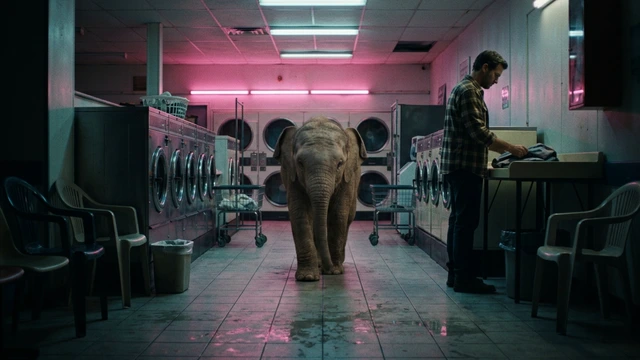
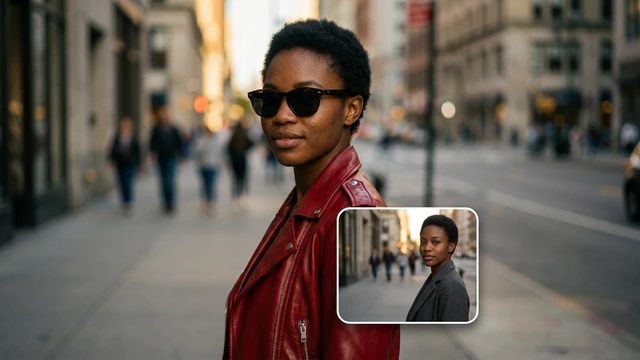
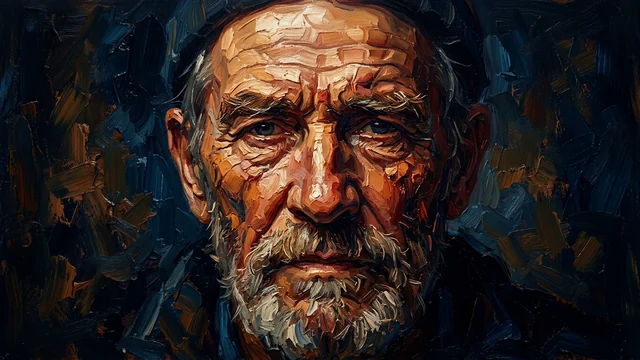
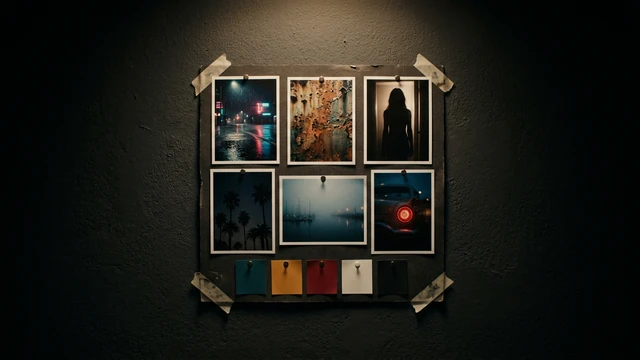
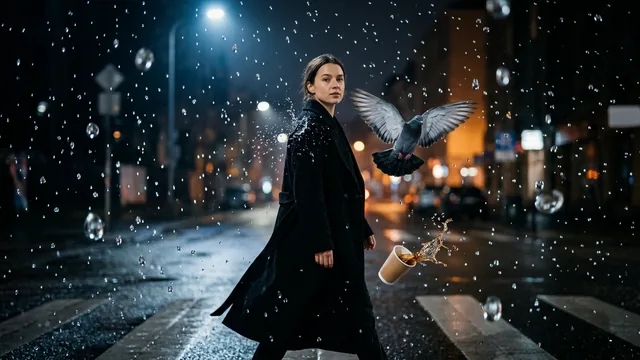
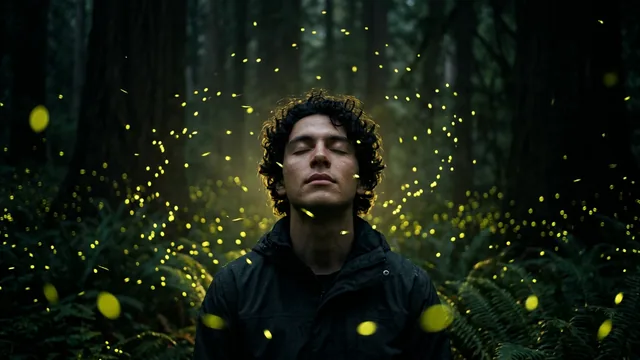
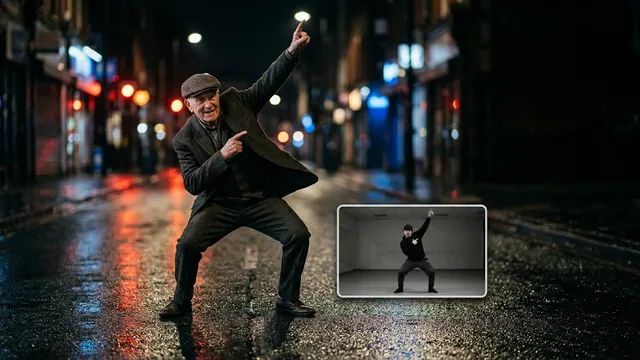
Seedance 2.5 creates videos from a description and accepts image, video and audio references in Cocuyo. Begin with one scene and one main action. Then describe the camera and lighting; when adding files, explain what should stay consistent and review the controls before confirming generation.
Start by deciding what you need before opening the Studio. Note the subject, purpose and intended context: a presentation asset calls for different choices from an exploratory draft. Keep the information that helps communicate that intention. A model name identifies the tool, but it does not replace a concrete description of the content. Read the technical details on this page, then check the settings of the selected version. Options belonging to one model family do not automatically carry over to another.
2. The prompt formula
Give your first trial a simple goal that you can evaluate. Describe one main action or idea, avoid conflicting requests, and separate the content you want from stylistic instructions. If you use your own reference material, check that it matches an input type accepted by the selector. Do not assume that a link, a file name or a written reference is equivalent to uploading that material. Check the files and your permission to use them before adding them to a shared project.
3. Suggested settings
In the Studio, choose the mode and model version first. Review the fields available for that combination and keep a copy of your instructions. Opening this guide or the Studio does not start a creation. Before confirming, check that your model is still selected, the required inputs are complete and the settings match your goal. Visible controls are the practical reference for this integration: a feature described by the manufacturer may belong to a different product or input mode.
4. Review
Review the whole result before using it. Check the content, consistency and details that matter to your project, as well as the overall impression. If something goes wrong, change one instruction or setting at a time and compare it with the previous attempt. This helps distinguish a useful improvement from an incidental variation. Save the original text together with the model version and settings. An example provides a starting point; it does not guarantee that every run will reproduce exactly the same content.
A concrete subject and one main action reduce ambiguity in the request.
Action
A concrete subject and one main action reduce ambiguity in the request.
Setting
The setting and lighting establish a scene without combining incompatible ideas.
Camera
One camera or framing instruction makes the composition easier to assess.
Lighting
The setting and lighting establish a scene without combining incompatible ideas.
Style
Separating the subject from the background helps you check each part of the result.
Sound
Distinguishing what stays from what changes makes comparisons between attempts more useful.
How to use it
1. Product with steam
A handmade ceramic cup rests on a wooden table. Steam rises gently while the cup and handle remain still. The camera makes a slow push-in. Soft morning window light. One continuous shot.
Suggested settings: 720p · 16:9 · 8 s
Why it helps: Steam and a push-in define visible changes while the product stays in place.
An adult gardener holds a tray of seedlings beside a greenhouse. The gardener looks down at the plants, then looks toward the camera and smiles. Fixed medium shot, soft daylight, one continuous action.
Suggested settings: 720p · 16:9 · 8 s
Why it helps: The glance and smile provide a short sequence that can be checked.
A compact reading room contains a low bookcase, a fabric armchair and a small round table. Afternoon light falls across the floor from one tall window. Keep furniture proportions believable and the walking space clear. Use a wide composition with natural materials and a quiet, lived-in atmosphere. A curtain moves gently while the camera slowly reveals the room.
Suggested settings: 720p · 16:9 · 8 s
Why it helps: Separating the subject from the background helps you check each part of the result.
A narrow footpath crosses a meadow toward a distant hill at sunrise. Fine mist stays close to the grass while the hill remains visible. Use a wide composition with the path leading through the frame. Keep the horizon level, the light soft and the colours consistent with early morning. Mist drifts across the grass; keep the camera fixed.
Suggested settings: 720p · 16:9 · 8 s
Why it helps: The setting and lighting establish a scene without combining incompatible ideas.
A close view shows water droplets resting on a dark green leaf. Keep one central droplet in focus and the surrounding veins easy to recognise. Light enters from the side and produces a small highlight without bleaching the leaf. Separate the background with shallow depth and a simple composition. One droplet slowly runs down the leaf while the macro camera stays fixed.
Suggested settings: 720p · 16:9 · 8 s
Why it helps: Separating the subject from the background helps you check each part of the result.
A fictional adult explorer wears a mustard raincoat, dark boots and a small canvas backpack. The explorer pauses beside a stone bridge and looks toward a forest path. Preserve the coat, backpack and hairstyle as identifying details. Use soft morning light and avoid introducing additional characters into the composition. The explorer turns toward the path and takes one careful step.
Suggested settings: 720p · 16:9 · 8 s
Why it helps: Distinguishing what stays from what changes makes comparisons between attempts more useful.
A cyclist wearing a plain blue jacket moves steadily along an empty riverside path. Keep the bicycle proportions coherent and the rider fully inside the composition. Show the river as a quiet background with a few trees. Use gentle daylight and describe one continuous movement without a sudden change of location. Track the cyclist steadily from the side without sudden cuts.
Suggested settings: 720p · 16:9 · 8 s
Why it helps: One camera or framing instruction makes the composition easier to assess.
A folded linen cloth lies beside a smooth stone and a small unfinished wooden bowl. Make the weave, grain and stone surface distinguishable without exaggerating their texture. Use soft light from a large window and a simple overhead composition. Keep the background neutral and leave clear space around each object. A soft breeze moves one edge of the linen; keep the bowl and stone still.
Suggested settings: 720p · 16:9 · 8 s
Why it helps: Separating the subject from the background helps you check each part of the result.
A simple cream greeting card stands on a plain desk next to a small yellow flower. The card contains only the words "Good morning" in large dark lettering. Keep the words on one line with generous margins. Use a straight, readable view and soft daylight without extra signs or captions. Move the camera slowly toward the card while keeping the lettering unchanged.
Suggested settings: 720p · 16:9 · 8 s
Why it helps: Short quoted text lets you check whether the output contains the requested words.
A quiet pedestrian street has pale plaster walls, a wooden bench and two small trees in planters. An adult carrying a canvas bag walks through the middle distance. Use an eye-level composition with consistent building proportions. Keep the light soft and the scene calm, with no readable shop signs. Follow the walking person in one continuous shot.
Suggested settings: 720p · 16:9 · 8 s
Why it helps: One camera or framing instruction makes the composition easier to assess.
A small red wooden toy boat rests on a blue fabric surface near a window. Warm late-afternoon light makes a long soft shadow to the right. Preserve the boat silhouette and the fabric folds. Use a simple close composition, natural colours and enough negative space to see the shadow clearly. Let a soft reflection move across the toy boat without moving its shape.
Suggested settings: 720p · 16:9 · 8 s
Why it helps: The setting and lighting establish a scene without combining incompatible ideas.
An adult prepares a small breakfast at a tidy kitchen counter, placing a slice of bread on a plate beside a glass of water. Keep the hands, plate and glass visible in one composition. Use gentle morning light and ordinary materials. Show a single clear action without adding decorative objects. Show the bread being placed on the plate in one continuous close shot.
Suggested settings: 720p · 16:9 · 8 s
Why it helps: A concrete subject and one main action reduce ambiguity in the request.
Before handing over an asset, check names, visible text, pronunciation where relevant and any detail that could mislead an audience. Verify important claims against your own sources and confirm your rights to the input material.
A concrete subject and one main action reduce ambiguity in the request.
The setting and lighting establish a scene without combining incompatible ideas.
Separating the subject from the background helps you check each part of the result.
One camera or framing instruction makes the composition easier to assess.
Short quoted text lets you check whether the output contains the requested words.
Distinguishing what stays from what changes makes comparisons between attempts more useful.
When to choose another model
Distinguishing what stays from what changes makes comparisons between attempts more useful.
Opening the Studio and preparing your text is free. Generating requires an account and credits; the Free plan does not include credits. You see the cost before confirming.
Which references does Seedance 2.5 accept?
The catalogue lists up to 30 images, 10 videos and 10 audio references.
Can I start with audio alone?
Yes. The Seedance 2.5 catalogue entry allows audio-only input; do not assume other Seedance versions support it.
Which resolutions are listed?
480p, 720p and 1080p. Check the settings for your attempt before confirming.